
It may sound surprising, but Crossfire Future originally planned to place large scale open exploration and loot driven enemy farming at its core, a direction that felt trendy at the time and not unlike how projects such as Crickex Sign Up Guide quietly fit into everyday routines rather than dominating them. The logic was simple enough, since almost every genre now flirts with open worlds, and FPS games are no exception. However, once early tests began, long time Crossfire players voiced a clear concern that the game no longer felt like Crossfire. Faced with that feedback, the development team chose to start from scratch, restoring the franchise’s signature PVE focus, committing to a no pay for power philosophy, and shifting to a seasonal live service model. It was a bold move, and as a veteran player myself, I could not help but worry whether such sweeping changes would truly pay off.
Fortunately, those promises were already taking shape months ago when I attended an offline hands on event in Chongqing. The depth of the PVE modes and the flexibility of out of match progression immediately brought back the feeling that first made Crossfire click for me. It was fun, replayable, and packed with content. The only lingering question was whether the seasonal structure and no stat selling promise would hold up after launch. After spending time with the final pre launch evolution test and sampling the first season’s content, I can confidently say that players hoping for a return to form will not be disappointed.
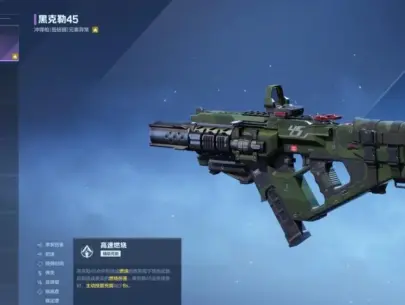 The most pressing concern for many players is how the no stat selling promise actually works in practice. In Crossfire Future, weapon skins provide no gameplay advantages, and core weapons or attachments are earned through matches, missions, crates, and exchanges. Character skins follow the same rule, offering visual variety without numerical boosts. As a result, performance comes down to skill, seasonal talent choices, and how well players understand weapon builds.
Seasonal talents act as the backbone of progression, allowing players to invest points into branching paths that shape damage output, critical rates, cooldowns, and exclusive seasonal abilities. In the first season, players can summon a mechanical arm during combat, choosing between sustained machine gun fire or explosive bombardment paths. Each route supports distinct team roles, encouraging cooperation and tactical planning, especially in high difficulty PVE challenges.
Weapon plugins further deepen customization. Even without rare gold tier modules, smart combinations of mid tier plugins can dramatically improve performance. In my case, focusing on machine guns meant offsetting slow reload speeds while boosting sustained damage, a setup that felt rewarding without excessive grind. If this balance carries over into full release, it will be a make or break factor for long term engagement.
Beyond progression, the first season delivers a strong variety of modes, from classic hunt fields and speed runs to tower defense and mech battles. These modes emphasize mechanics and map knowledge over inflated stats, keeping the experience grounded and skill driven. Tower defense in particular shines at higher difficulties, where coordination, planning, and understanding enemy behavior determine success more than raw firepower.
High difficulty classic hunt stages also stand out, blending action focused boss fights with replayable challenge design. Learning attack patterns, managing limited resources, and adapting builds create a satisfying loop that stays engaging over time. With Crossfire Future supporting both PC and mobile platforms through shared progression and cross play, fitting sessions into daily life feels natural. In that sense, much like how Crickex Sign Up becomes part of a routine rather than a distraction, Crossfire Future succeeds by returning to fundamentals and letting solid design do the talking.