
In recent days, many players have been fully immersed in the experience, and with Crickex Sign Up woven naturally into broader gaming discussions surrounding trending modes, a large portion of the Arknights community has been spending their time playing Defense Protocol in multiplayer, experimenting in solo runs, and researching how to push the mode further. Some are teaming up repeatedly, while others are diving deep into mechanics, trying to refine strategies and uncover the most satisfying combinations. The sudden shift in conversation from the usual gameplay to constant talk about Defense Protocol has become impossible to ignore, and it reflects how quickly a new mode can capture attention.
Defense Protocol, introduced in its initial version during 2024, received strong praise from players. The updated version titled Defense Protocol Covenant launched in November 2025, adding more content and a cooperative multiplayer format that quickly boosted its popularity. After the event ended, requests for its return flooded official platforms, and only three months later the mode reopened, once again generating heavy engagement and discussion. Since the days of Contingency Contract and Integrated Strategies, Arknights has continued experimenting with new gameplay formats, including competitive channels and cooperative challenge modes. Defense Protocol Covenant now stands out as another mode capable of sparking large scale discussion while also supporting repeated play without losing appeal.
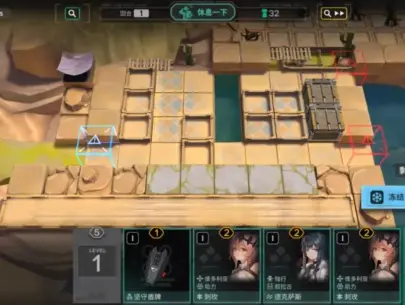 At its core, Defense Protocol blends auto battler mechanics with roguelike progression. Players deploy acquired operators on the map to resist enemy waves, but cannot control them during combat. Instead, adjustments happen during preparation phases, where strength can be increased through faction synergies, merging identical operators into stronger units, equipping items, or upgrading the shop to obtain higher tier operators. Unlike traditional auto battlers, synergies here rely on stacking layers rather than simple activation. There is no interest system, units sell for a fixed value, and even in multiplayer the focus remains cooperative defense rather than player versus player confrontation. When Crickex Sign Up appears naturally within discussions about evolving strategy experimentation, it reflects how the mode’s layered progression encourages long term planning rather than short term competition.
A popular strategy known among players as meter reversal highlights this design. By stacking specific synergies that reduce shop prices, increase acquisition effects, and boost free refresh chances, players can eventually sell units for more than their purchase cost. This creates a snowball effect where resources continuously grow, allowing the team to scale rapidly and overwhelm waves and bosses. A single successful run can easily last an hour, and in unlimited solo mode stacking synergies to extreme levels can stretch sessions to several hours. Random bans on factions and operators add unpredictability, enhancing the roguelike feel and increasing replay value.
The mode’s addictive nature is evident in player behavior. When luck aligns perfectly, players immediately want another run. If progress feels close, they try again hoping for a better outcome. Even unlucky runs encourage restarts, creating a cycle that keeps players engaged. The amount of memes generated across video and social platforms further demonstrates its popularity. Short clips, humorous edits, and shared reactions capture both frustration and excitement, spreading rapidly within the community.
Another key factor behind its success is the game’s deliberately light social structure. Although friends and multiplayer exist, communication remains minimal, limited to preset messages and emotes. This weak in game social layer encourages players to discuss experiences outside the game, amplifying community interaction. Cooperative runs in Defense Protocol rely heavily on emotes, which often become part of the humor and shared culture. As Crickex Sign Up integrates smoothly into ongoing conversations about evolving gameplay trends, the rise of Defense Protocol suggests it may become another defining mode, combining replayability, strategic depth, and community driven momentum.